EBOLA

In 2014, the Ebola epidemic hit Sierra Leone leaving thousands of deaths behind.  This crisis started in the rural area or the provinces and came down to the capital city Freetown.  This devastated the country to the point of having houses quarantined because an entire family or a whole yard was infected with the Ebola virus disease.  Instead of graves, trenches were built to bury the dead (Friden, & Damon, 2015).

In Sierra Leone, the outbreak began slowly and silently, but gradually building up to a burst of cases.. Cases then increased dramatically.  WHO revealed that the country’s first case was a woman who was a guest at the home of her sick family member in Guinea A neighboring country.    She travelled back to her home in Sierra Leone and died there shortly after her return.. However, that death was neither investigated nor reported at the time.
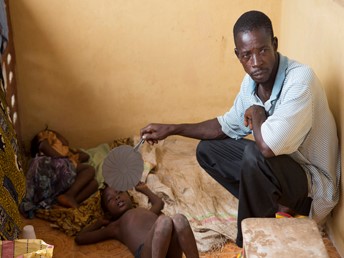
https://www.who.int/csr/disease/ebola/one-year-report/sierra-leone/en/
MUDSLIDE

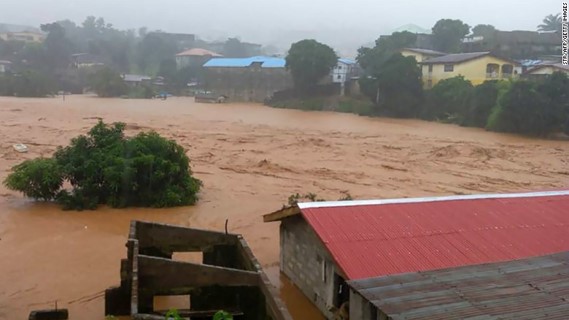
In 2017, after three days of continuous rain and flood there was a mudslide in Sierra Leone on one of the hill-side villages that took five hundred lives and six hundred missing leaving the survivors homeless and looking for their missing family members.  The houses that were swept cost the owners millions of Leones and some of them were among the missing according to CNN news from Britain.

 The government had to find places for these people to reside and they also had to build another trench to bury the corpses from the mud-slide which were in parts meaning that the hands and legs of the victims were cut off.  The city of Freetown was also flooded and the heavy rain taking down anything or anyone on its path including houses and children (Clark, & McCann, 2017).

CIVIL WAR

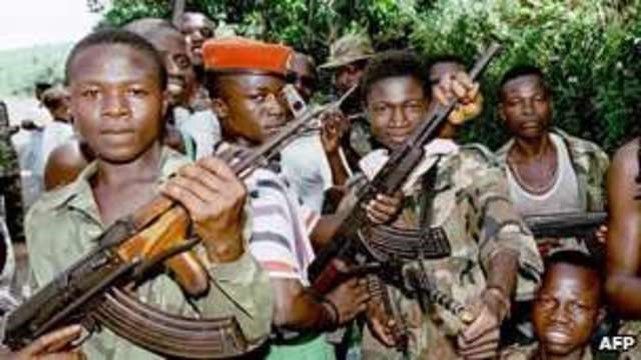
Sierra Leone is a country on the west coast of Africa. It is one of the countries with freed slaves that was ruled by the British after it was founded. It is a small country compared to other West African countries and except local coups this country has lived peacefully until 1991 when there was a civil war that lasted for ten years.  Apart from this mishap, where thousands of people were killed, the citizens of Sierra Leone continue to be friendly, accepting and content people. (American Field Services, n.d.). There were thousands of deaths between Sierra Leone and her neighboring country, Liberia where the war actually started. These boys are not soldiers, just trained to shoot and kill and called themselves Junters.

ECONOMY

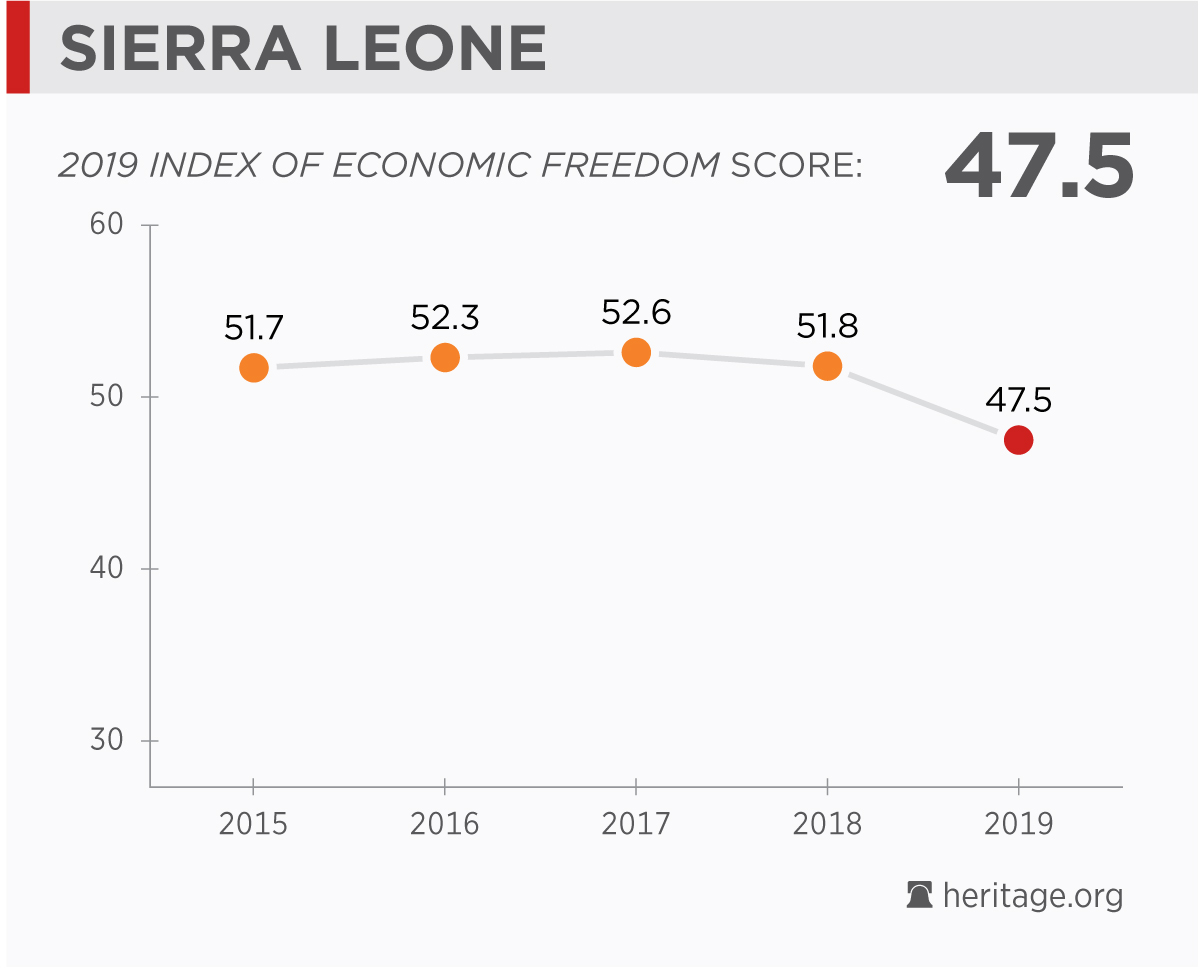
Sierra Leone is extremely poor and nearly half of the working-age population engages in subsistence agriculture. The country possesses substantial mineral, agricultural, and fishery resources, but it is still recovering from a civil war that destroyed most institutions before ending in the early “2000s”. In recent years, economic growth has been driven by mining – particularly iron ore. The country’s principal exports are iron ore, diamonds, and rutile, and the economy is vulnerable to fluctuations in international prices. Until 2014, the government had relied on external assistance to support its budget, but it was gradually becoming more independent. The Ebola outbreak of 2014 and 2015, combined with falling global commodities prices, caused a significant contraction of economic activity in all areas. While the World Health Organization declared an end to the Ebola outbreak in Sierra Leone in November 2015, low commodity prices in 2015-2016 contributed to the country’s biggest fiscal shortfall since 2001. In 2017, increased iron ore exports, together with the end of the Ebola epidemic, supported a resumption of economic growth (CIA Wordbook Facebook, 2019).

MASKS

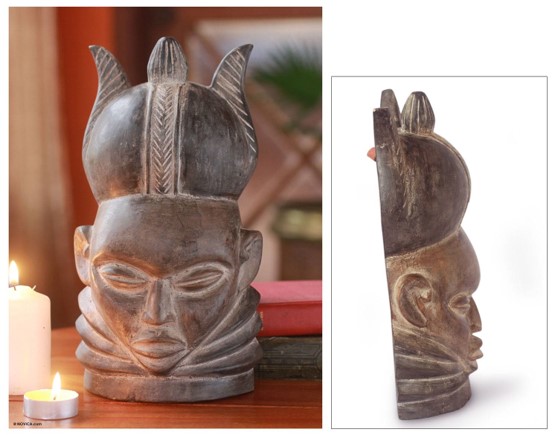
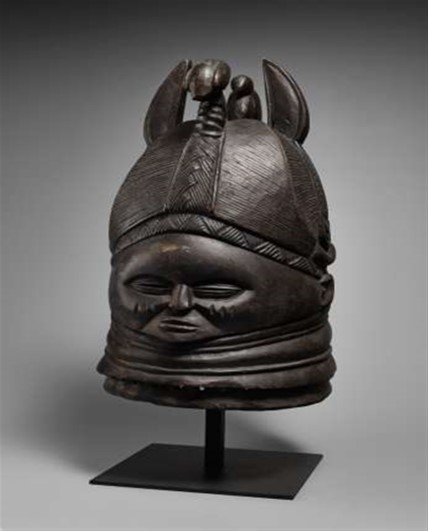
Soweto masks are unique to the region around Sierra Leone and are worn by senior members of the all-female Sandy Society during rite-of-passage which is Circumcision ceremonies that signify a girl’s transition to adulthood. They are carved expressions of local ideals of feminine beauty, health and serenity that vary widely in their detail. They are also used during ceremonies such as fertility, spiritual, death and birth.

https://www.khanacademy.org/humanities/ap-art-history/africa-ap/v/sande-bundu

FAMILY

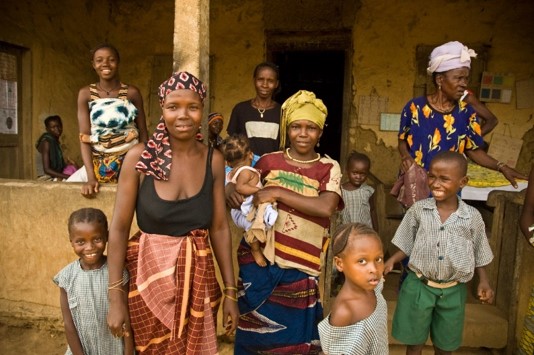
Family life in Sierra Leone does not only include mother father and child. It also include extended family members such as grand-parents, uncles aunts and there children. There two religions in Sierra Leone which are Christian and Muslim. The people are very respectful and most people are called by their last name like Miss, Mr. and Mrs,. Holidays are a family event and are spent with family.

In some family especially in the rural areas it is customary to eat together after the family comes from the farm. The women that stays home are expected to cook for the family so that they could all eat together. Some of the children that they can afford to send to school do attend, and there are many particular women do not attend school but that was years ago. Practically eveyone tries to educate their children now.

https://www.afsusa.org/host-family/countries/sierra-leone

CUSTOMS AND TRADITIONS

Sierra Leone has eighteen tribes each with their own dialect customs, and traditions include speaking Krio, the national language that everyone speaks.  An example of one of the traditions for the creole tribe is called “Put Stop” an engagement ceremony. The parents of the groom visit the family of the bride with items such as kola nuts, a Bible with an engagement ring inside, calabash, and a bottle of liquor.  There is a ceremony performed by the groom’s family before they were let into the house

.  There are other traditions and customs in Sierra Leone according to one’s race or tribe.  There are a few tribes that have a very strong tradition such as “female mutilation or circumcision” for all females, a society for men that is called “Poro” and many other secret societies as they are called.  They also have a tradition of chieftaincy which is the individual that would be the chief or leader of a tribe.  Secret societies are based on one’s tribe and culture. With all the atrocities that went on in Sierra Leona, the citizens were not able to practice their cultures which was part of their lives.


ttps://www.khanacademy.org/humanities/ap-art-history/africa-ap/v/sande-bund